
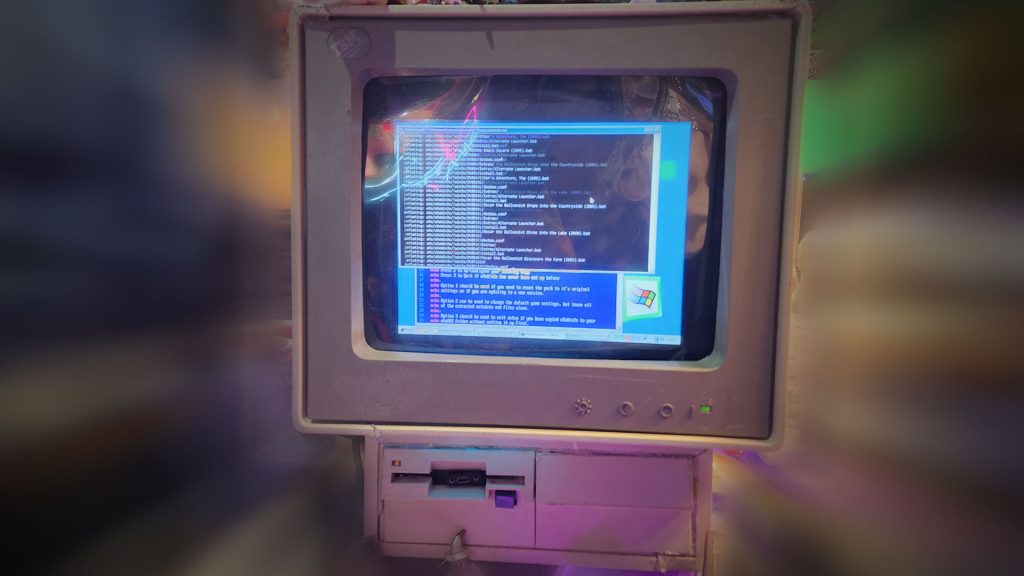
Now this is a story all about how this dead PS/2 got its afterlife flipped, turned upside down and I’d like to take a minute, sit right there; I’ll tell you how this abomination got to be here.
The Genesis
Back in the days of yore (1992-1993) I first learned proper programming in high school. Things like BASIC, Pascal, FORTRAN, and even some C (which I promptly forgot). The machines we did this learning on were some MCGA IBM PS/2 Model 25s, like this specimen here:
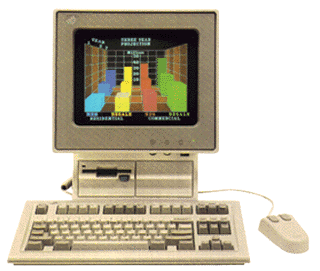
Even though I had a vastly more powerful 486 at home, I loved these things, even the mouse that most people hate today. There was something about IBM’s quasi-brutalist industrial design of the time that hit just right, and it’s a look and feel that I think has still not been replicated well to this day.
And with computing in general becoming incredibly enshittified in recent years, I found myself longing more and more for the comfort of the old machines where computing felt fun, and exciting, and not just another job with a million software subscriptions attached and an increasingly user-hostile OS telling me what to do with the computer I own.
So I decided to get one for my desk, as a sort of an emotional support totem that reminded me of the best parts of the 1990-2005 era that I really consider the golden age of my computing experience.
THE VICTIM
I knew that I wanted to gut and replace the internals of the machine with new parts, and I didn’t want to destroy a working unit for that (plus I was working with very limited funds), so I sought out a junker “for parts” unit on eBay.
It was in splendidly horrific condition as can be seen from the listing photos:
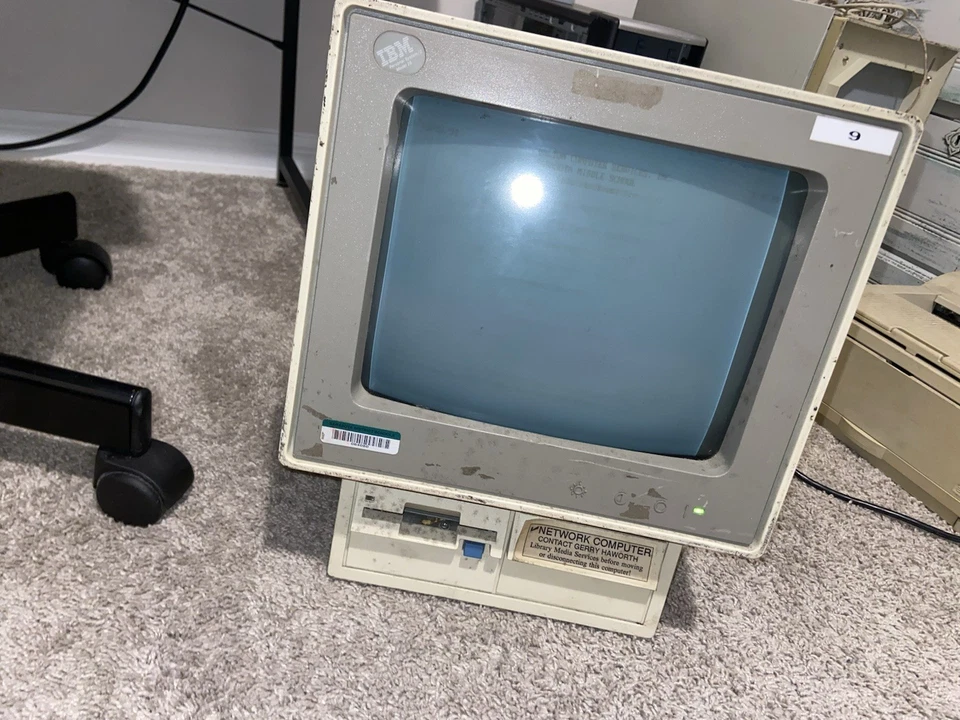
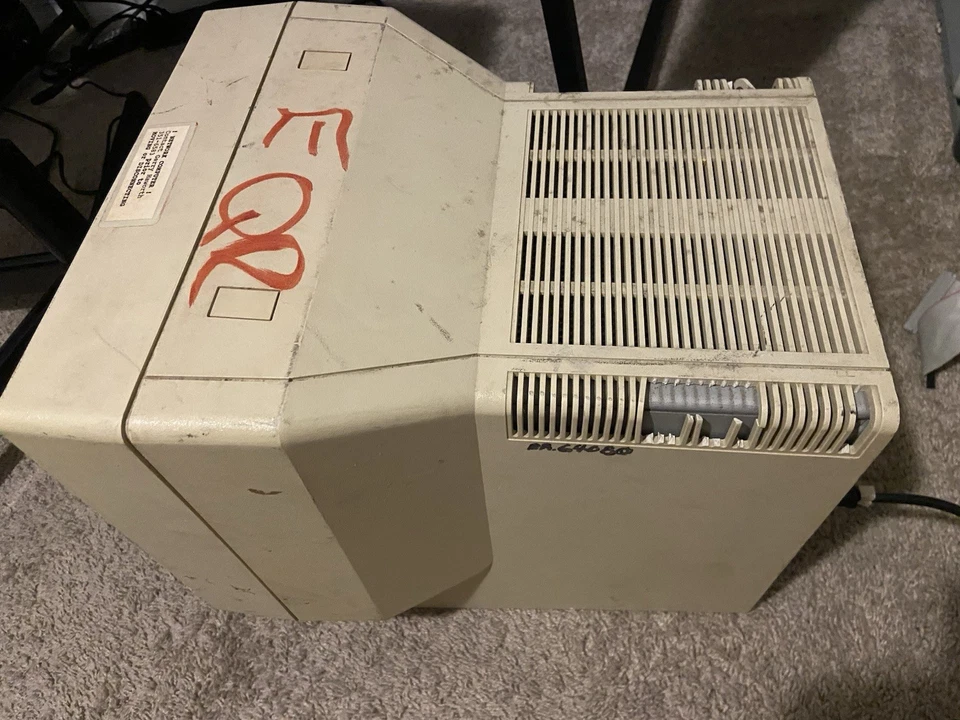
So needless to say, I got it for basically nothing. The fact that it was coming from Florida (where I finished up High School and first “met” these computers) was a nice bonus. The shell was intact except for damage to the top, which I figured I’d deal with when it got to me.
The shell… was intact.
Then FedEx happened:
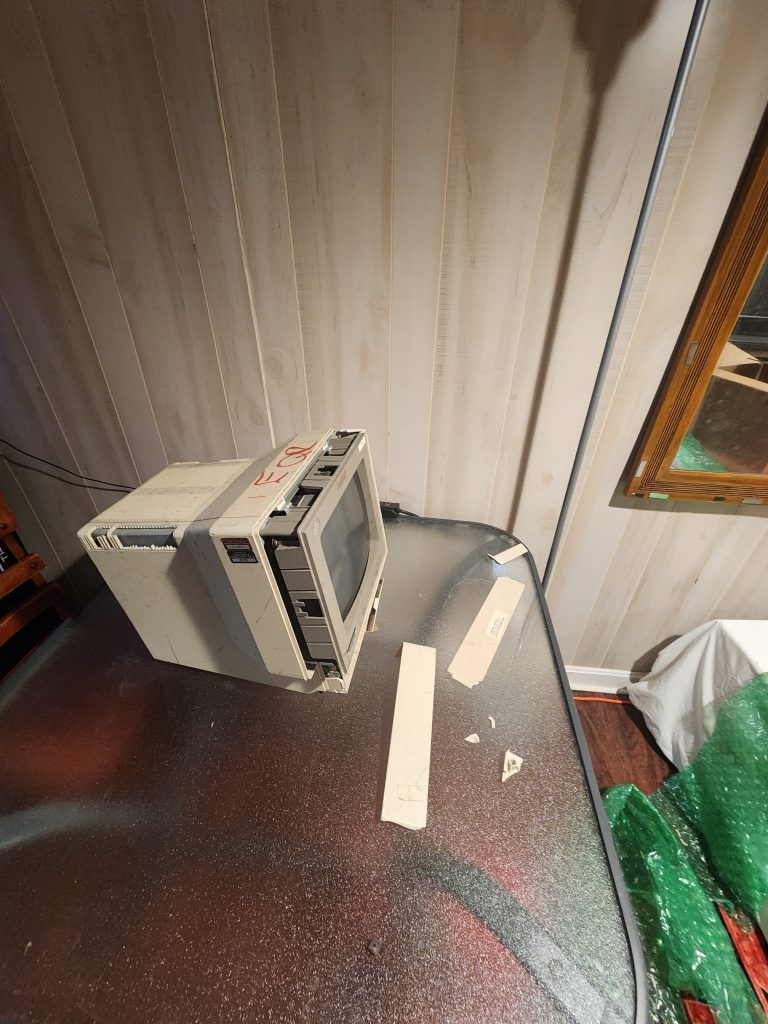
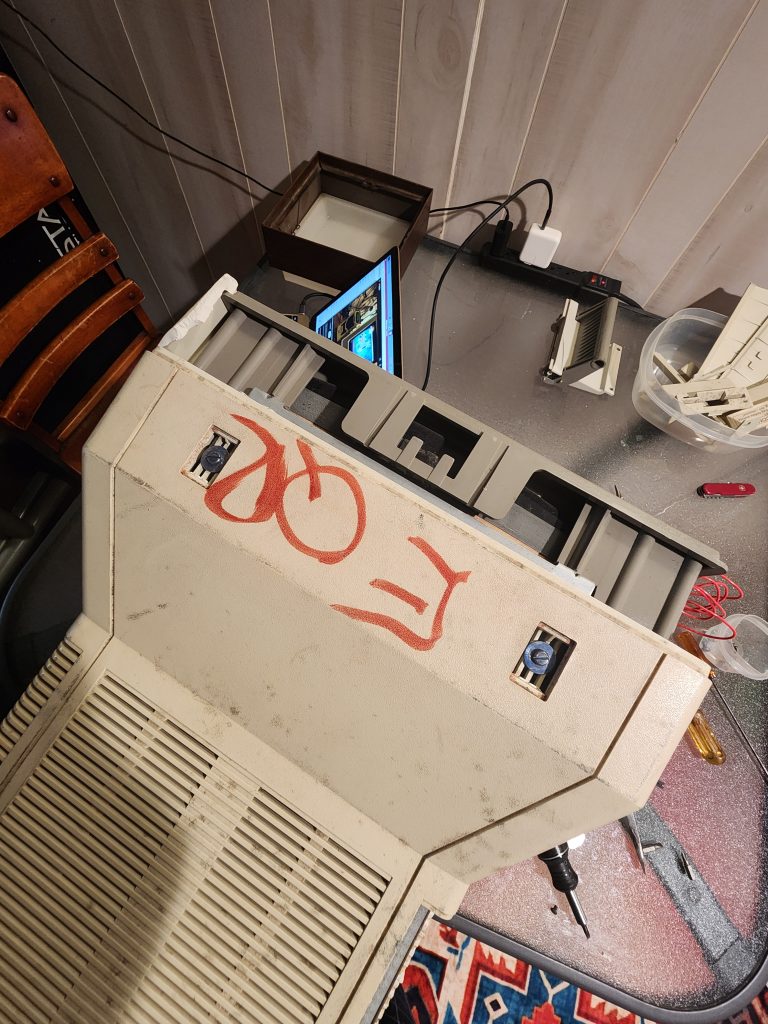
They smashed the living hell out of the front of the unit (this despite the sender packing the unit carefully in two boxes with lots of bubble wrap. So now I had a much harder job to do. I had to rebuild the case as well as gut it.
DAY 1: GUTTING, CLEANING, AND FRONT PANEL RESTORATION
First I pulled out the CRT, which I wasn’t going to use. It was thankfully all ensconced in a metal cage so I didn’t have to worry about shocking myself to death.
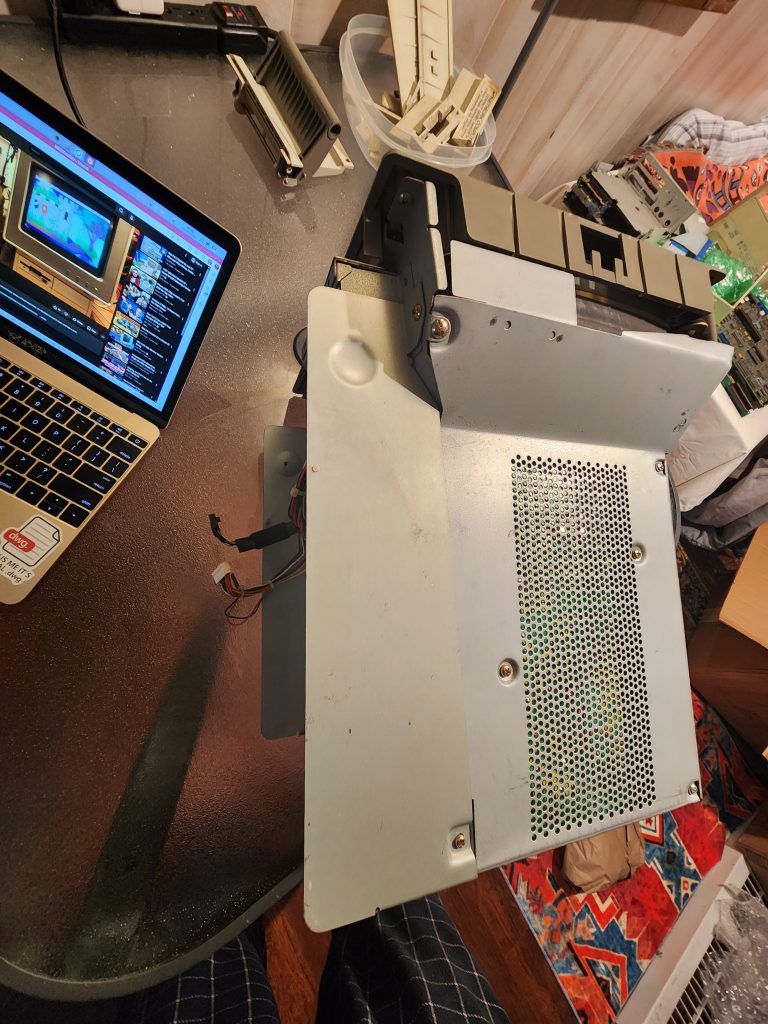
Then, I detached the bezel from the front of the cage (which was ridiculously hard, because IBM used the most evil screws I have ever encountered to attach it):
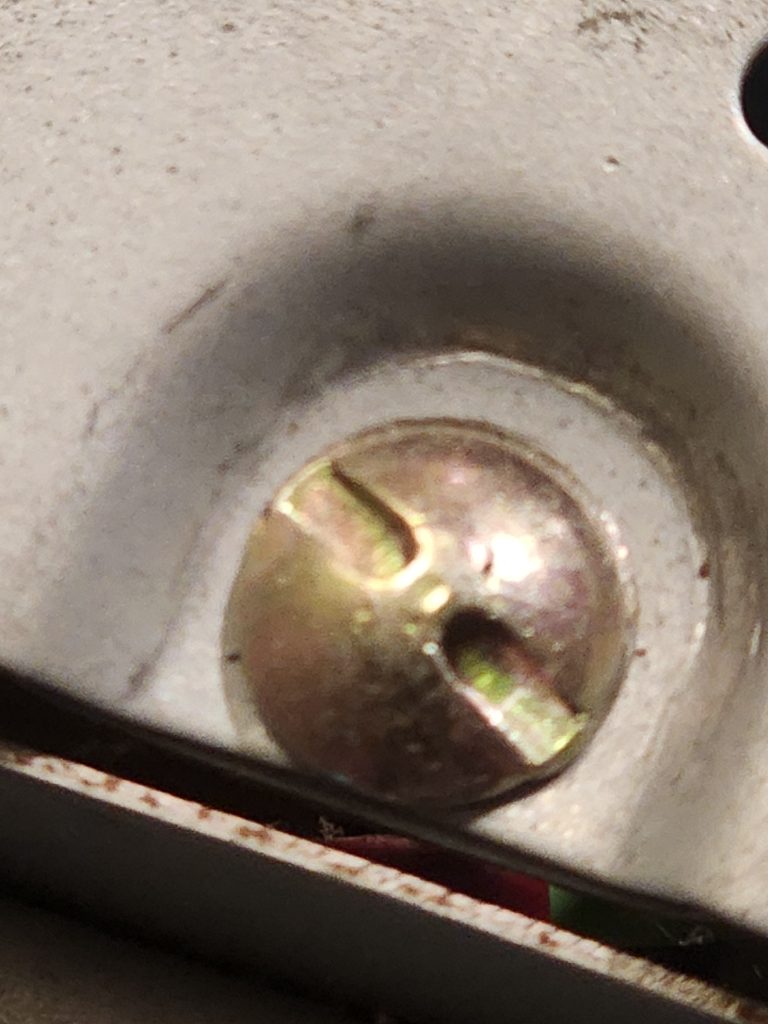
It was fun getting a slotted screwdriver to work those, let me tell you.
Next. I spread out the parts of the vivisected corpse to get a better idea of what I was working with.
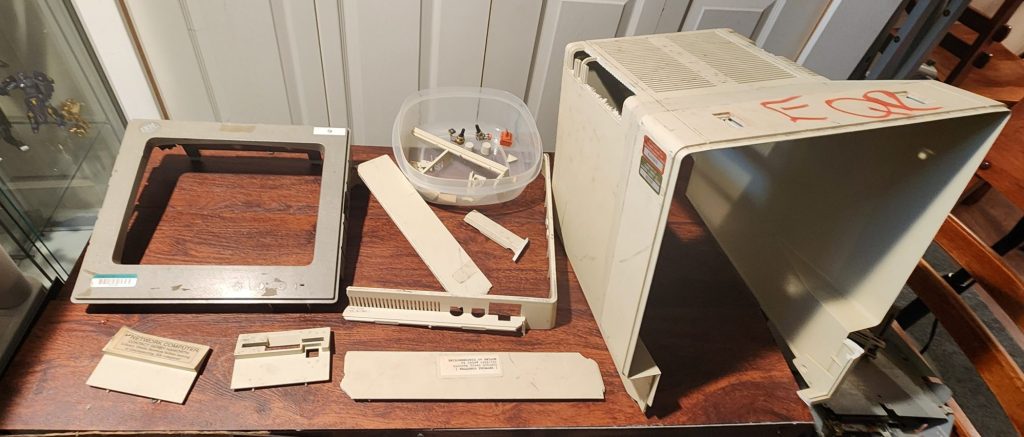
In addition to the permanent marker graffiti at the top of the machine, The front had some really ingrained dirt and adhesive remnants:
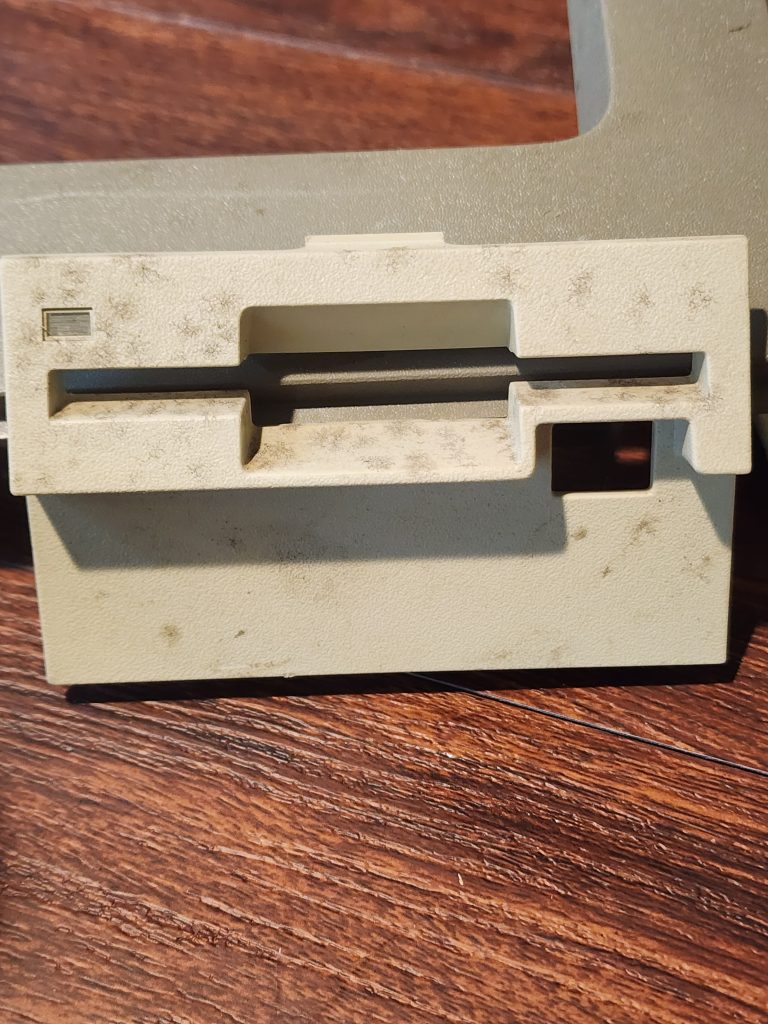
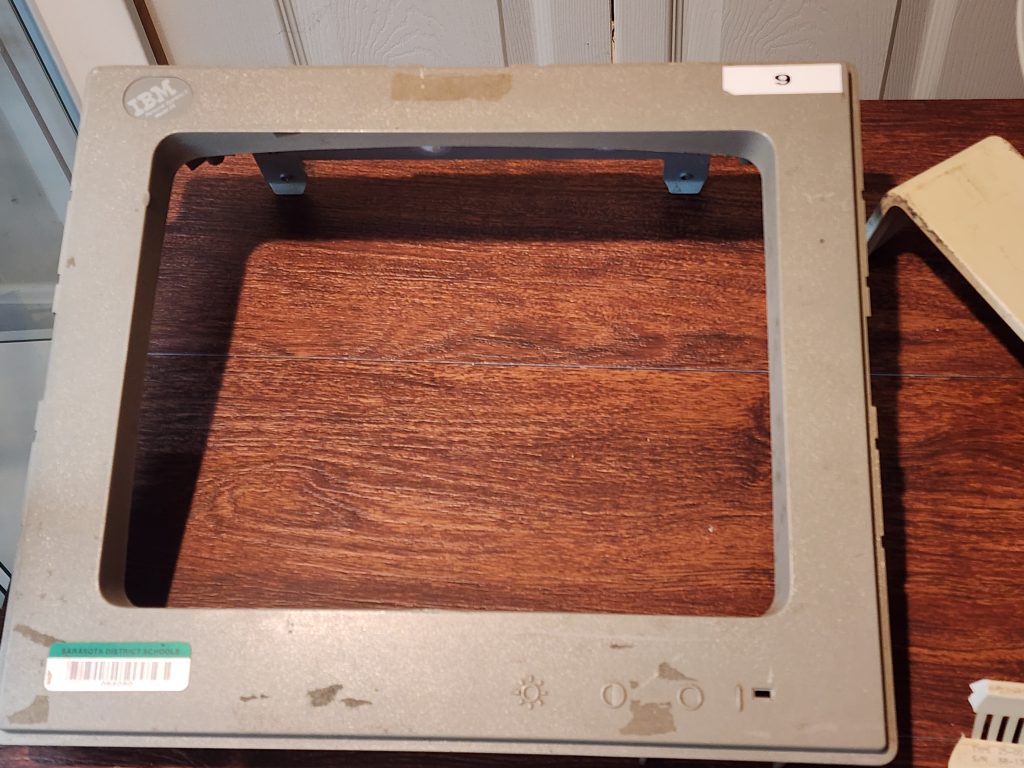
But, such things were as nothing against dish soap, 99% Isopropyl Alcohol, nail polish remover and a heroically sacrificed magic eraser:
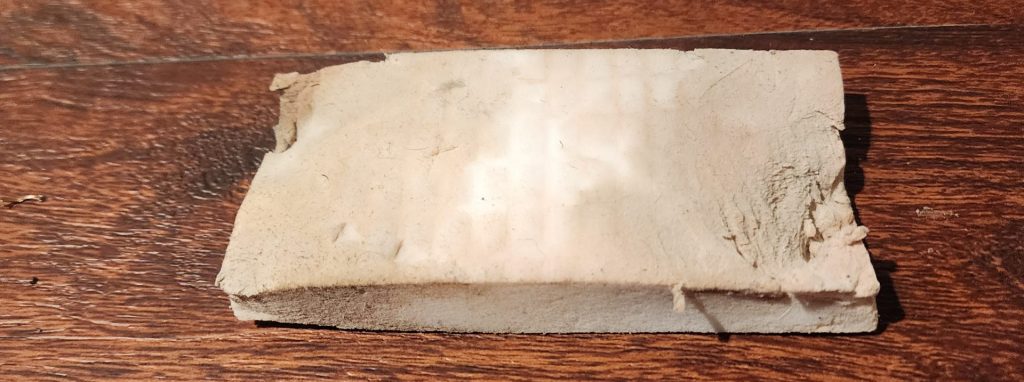
The results were fantastic, even if they took hours to achieve:
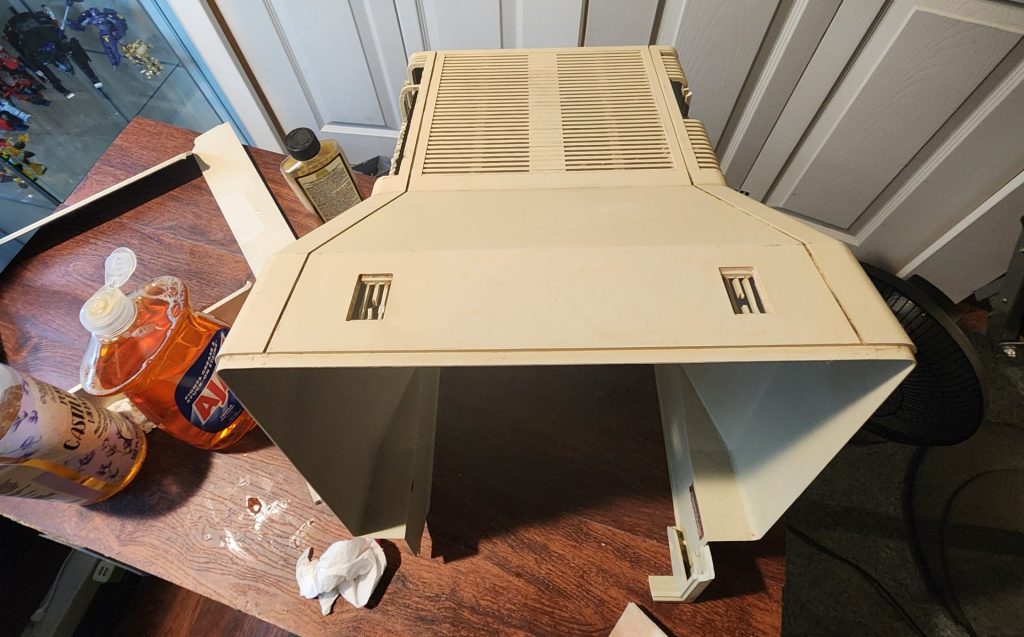
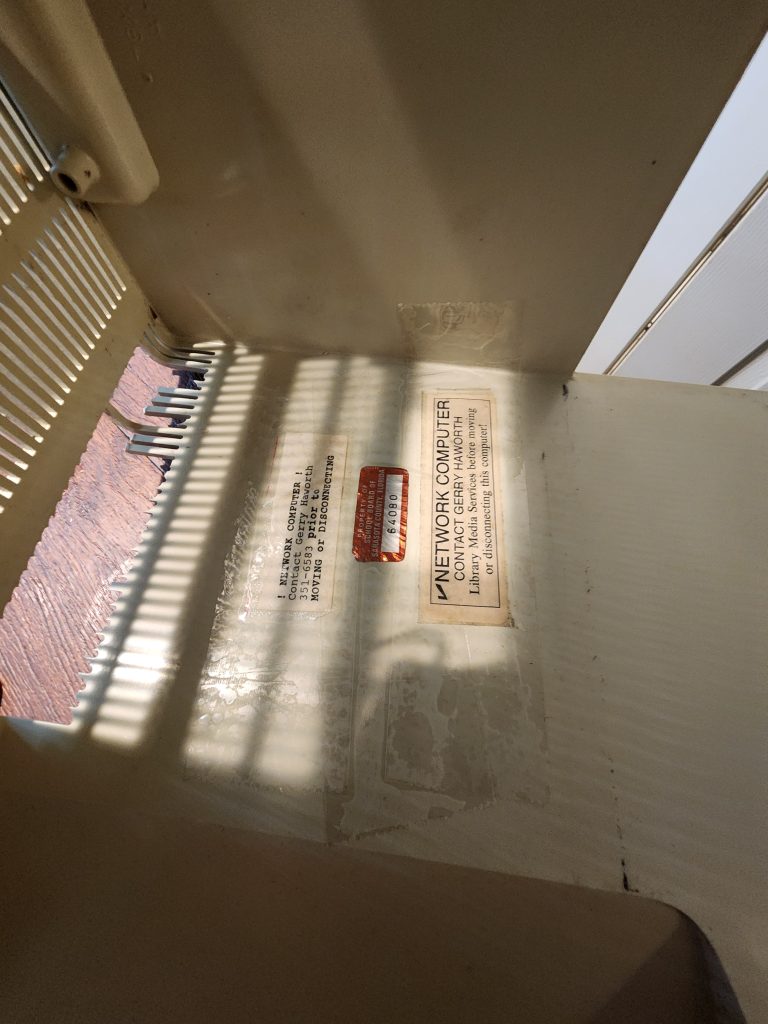
With the cleaning done, the next thing I did was to relocate all the stickers from the exterior to the interior of the shell, just to preserve the provenance of the unit:
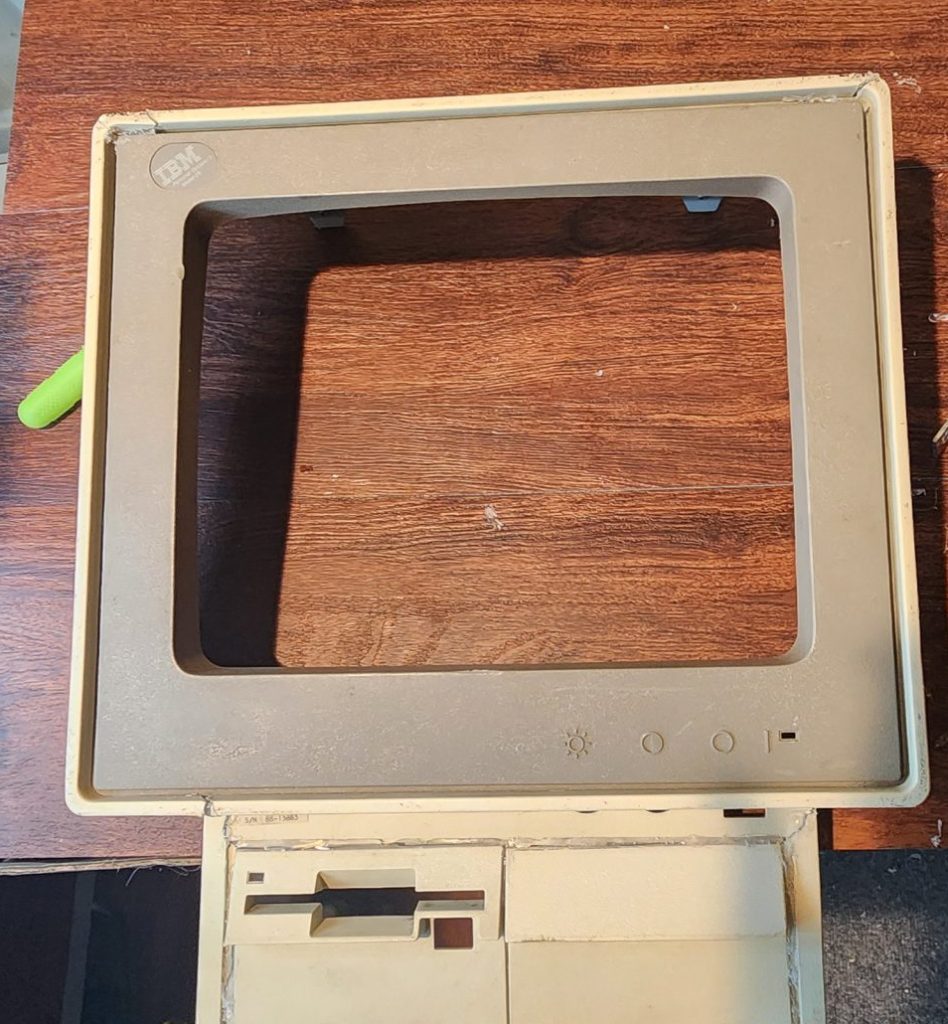
Then, I began painstakingly reassembling the broken parts of the front with gorilla glue and hot glue:
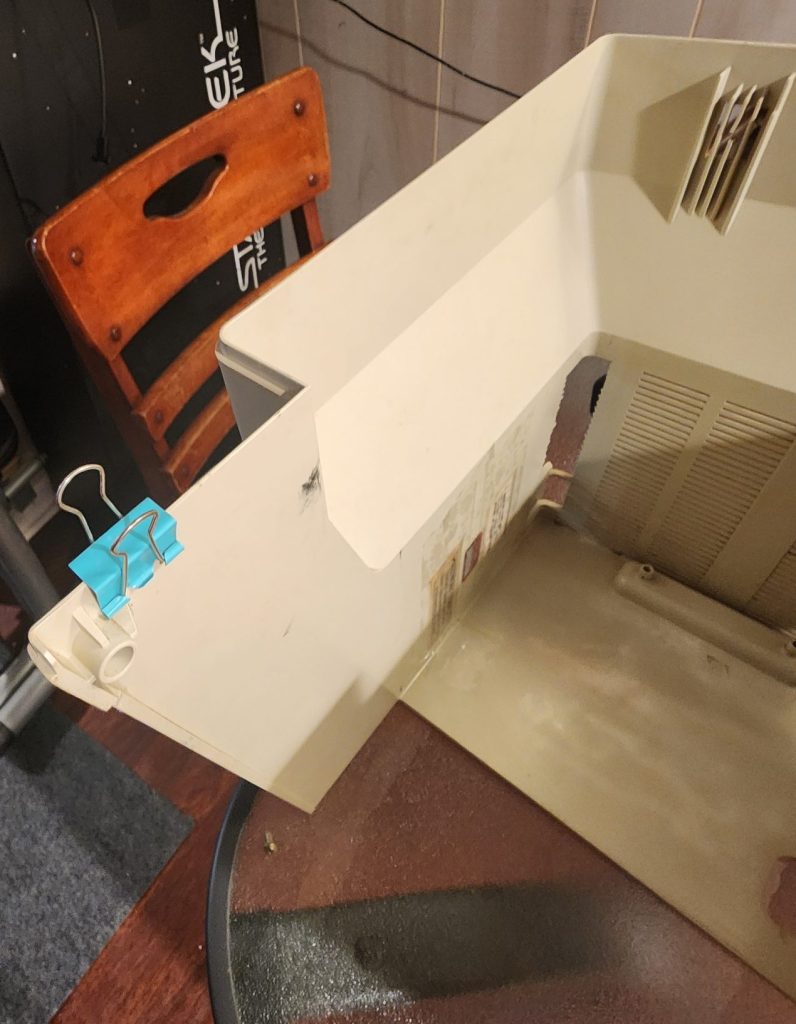
After I got the front reassembled, I then test fit it to the back of the case and retired for the day:
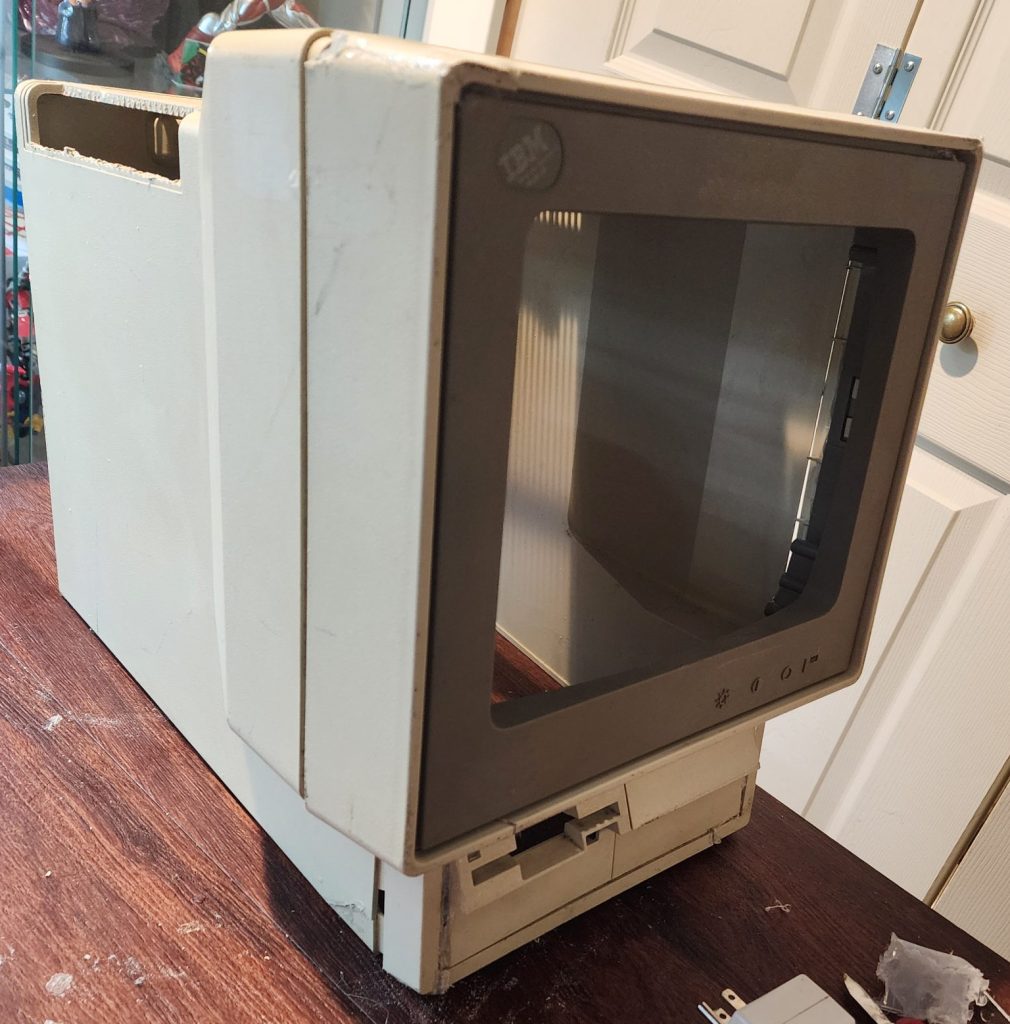
DAY 2: PLASTIC SURGErY
With the front handled, it was now time to turn my eye towards rehabilitating and adapting the rest of the case.
I decided to fully remove the broken venting from the sides of the base, dremelling out the surviving pieces. I then 3-D printed replacement vents, hot glued them in and colored them. Since I had no good match for the yellowed IBM plastic, I just went with a wood color as a nice accent and an homage to LGR’s work.
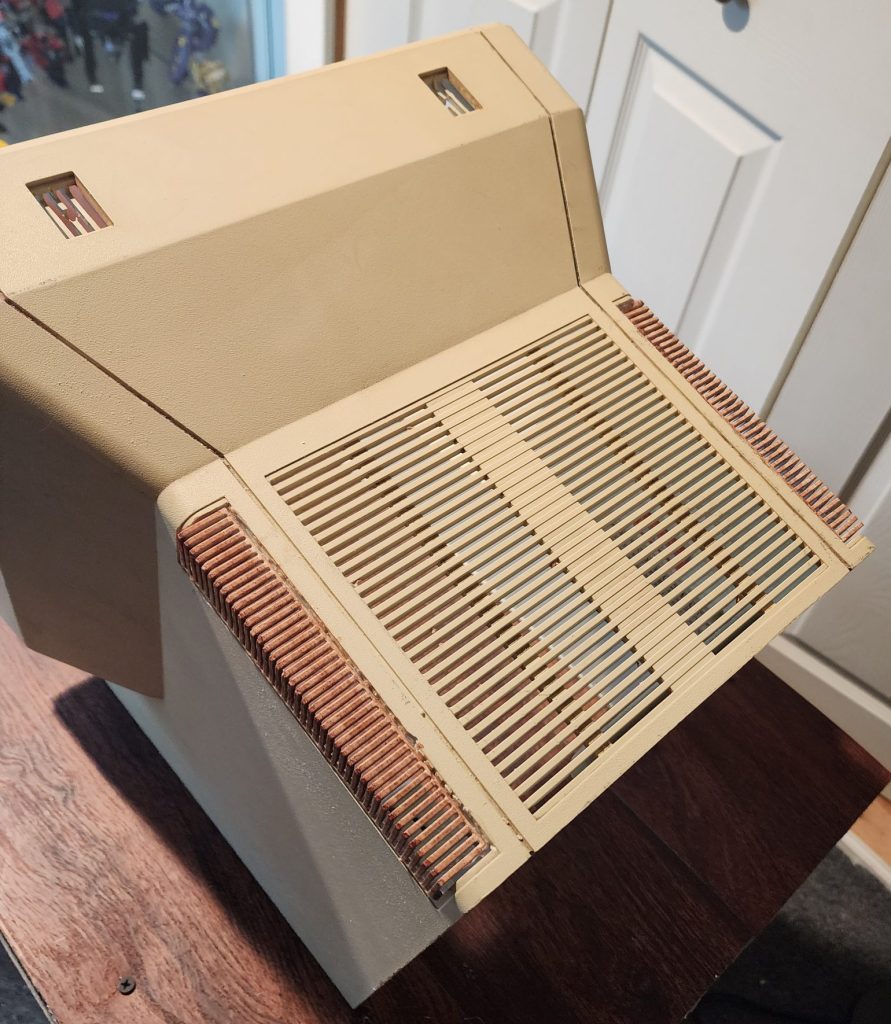
Then, because the bottom of the original PS/2 case was about 5 pounds of steel which the fragile front of the case would never be able to latch onto without tearing itself apart due to the pressure, I had to prototype a new bottom for the case and find a way to attach it which was sturdier than mere glue. I eventually roughed out a shape, then cut a piece of plastic from the side of my wife’s dead computer to act as the base and winced as I had to drill holes in the side of the PS/2 case to act as mounting points.
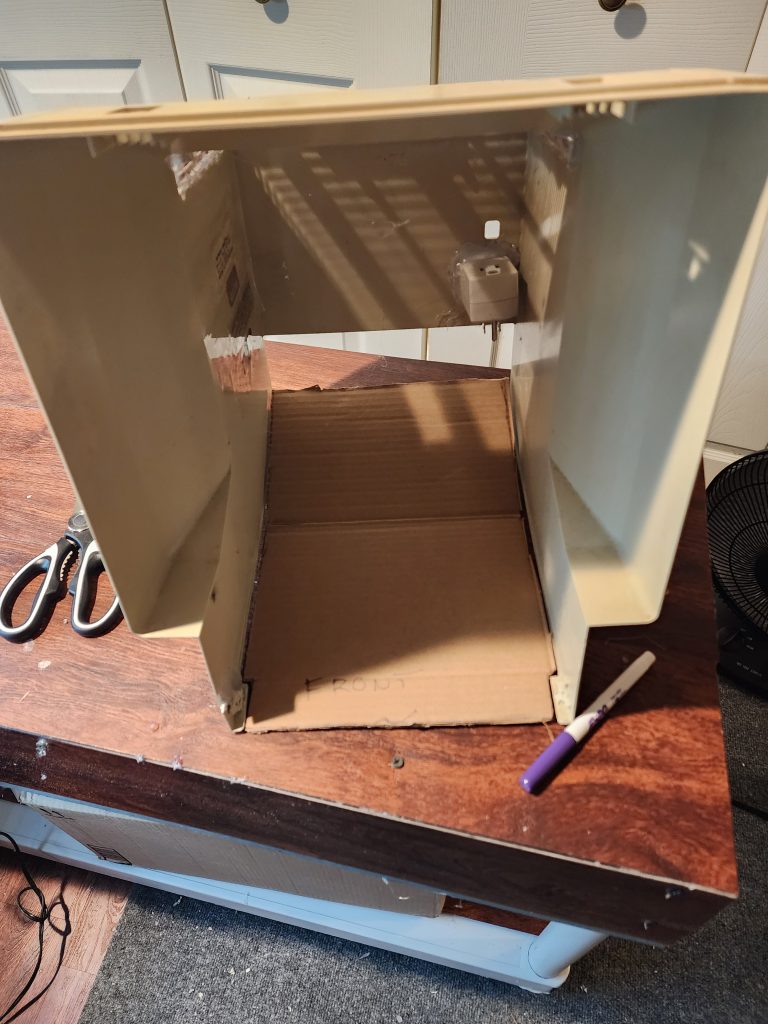
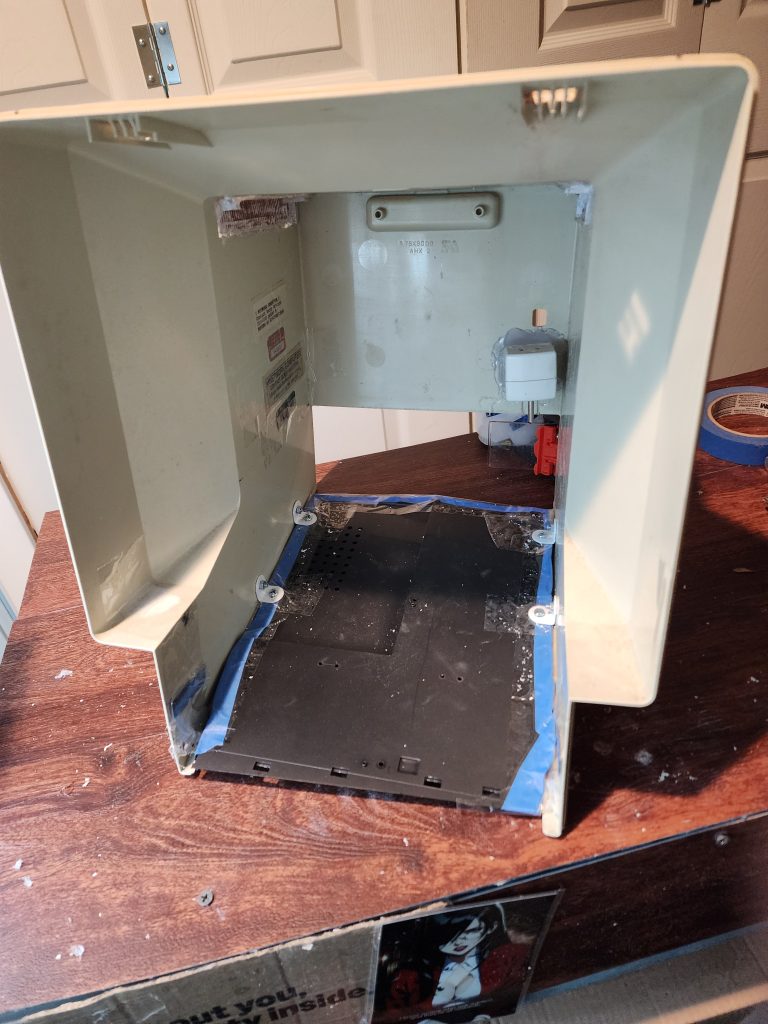
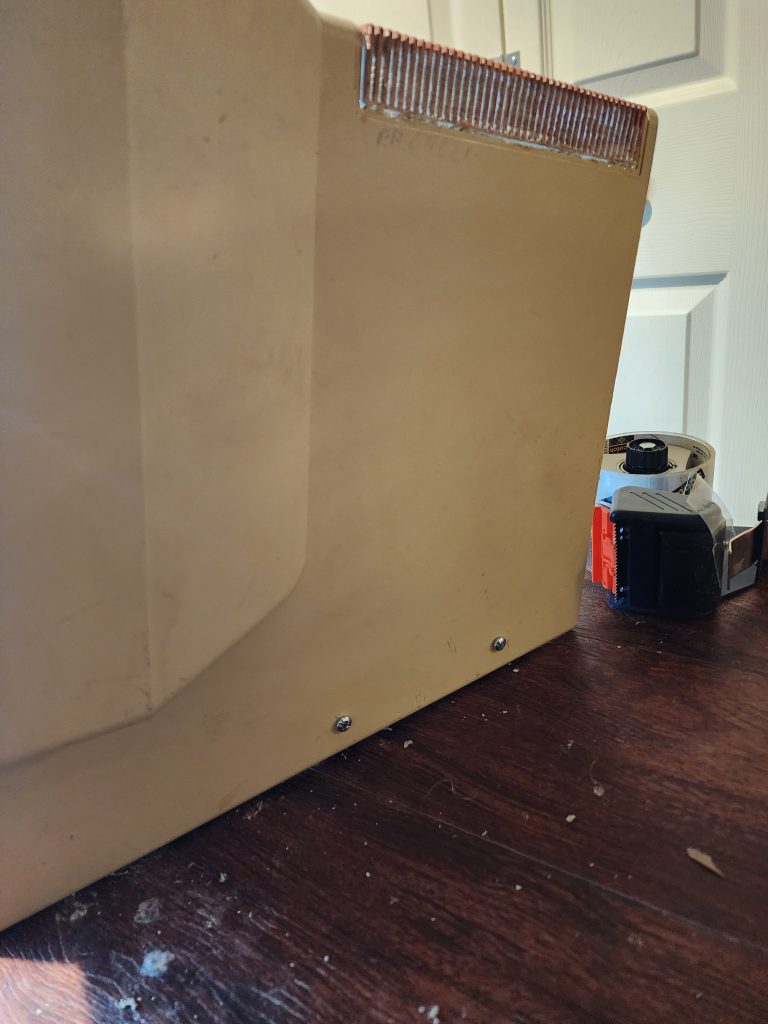
At some point I want to paint over the screws to match the case, but that’s a task for another time.
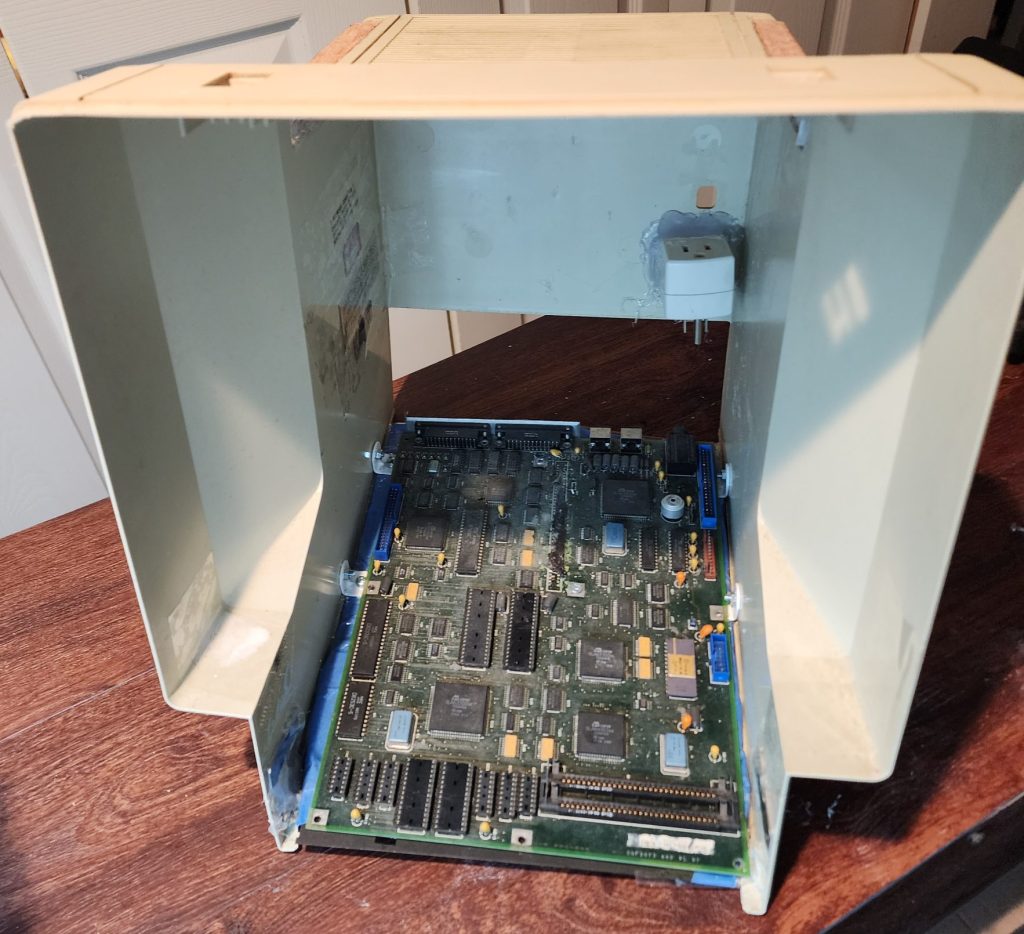
To make the bottom of the interior look nicer, and as a nod to the origin of the machine, I screwed in the original motherboard to the base:
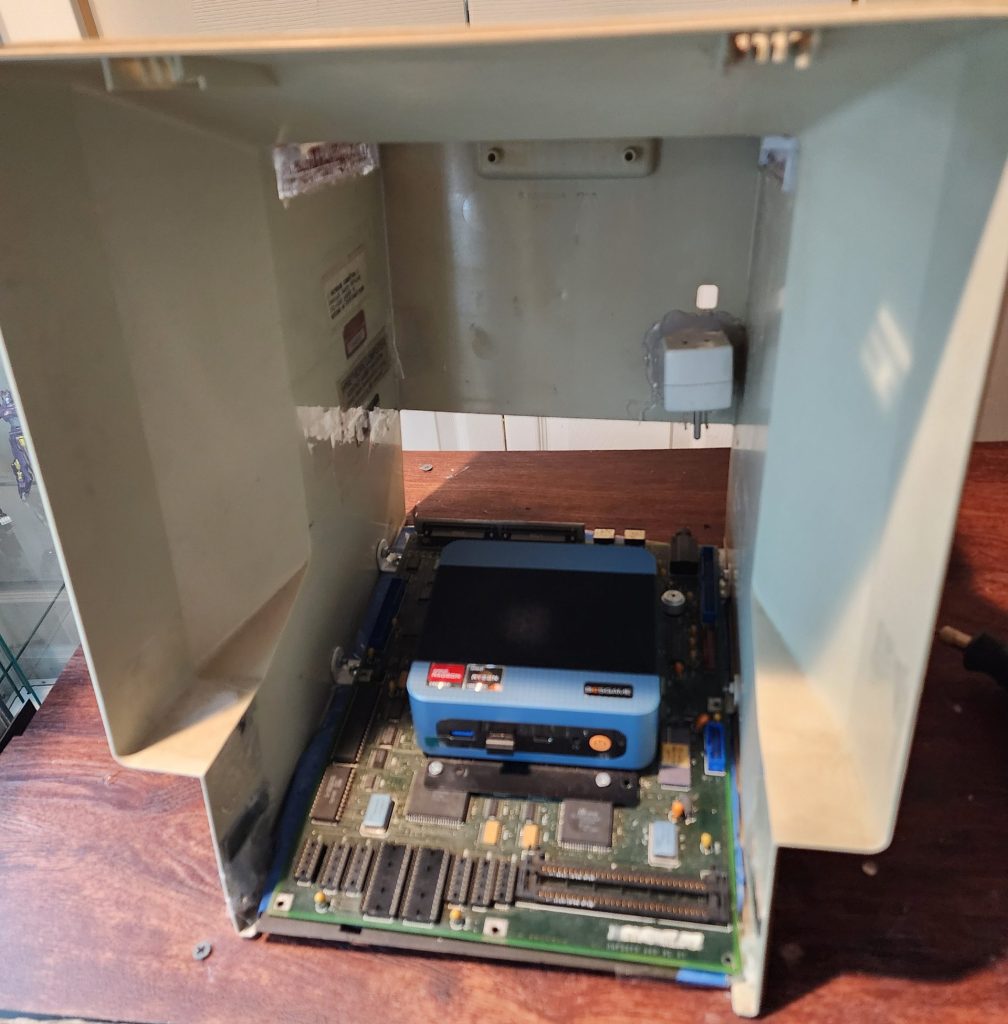
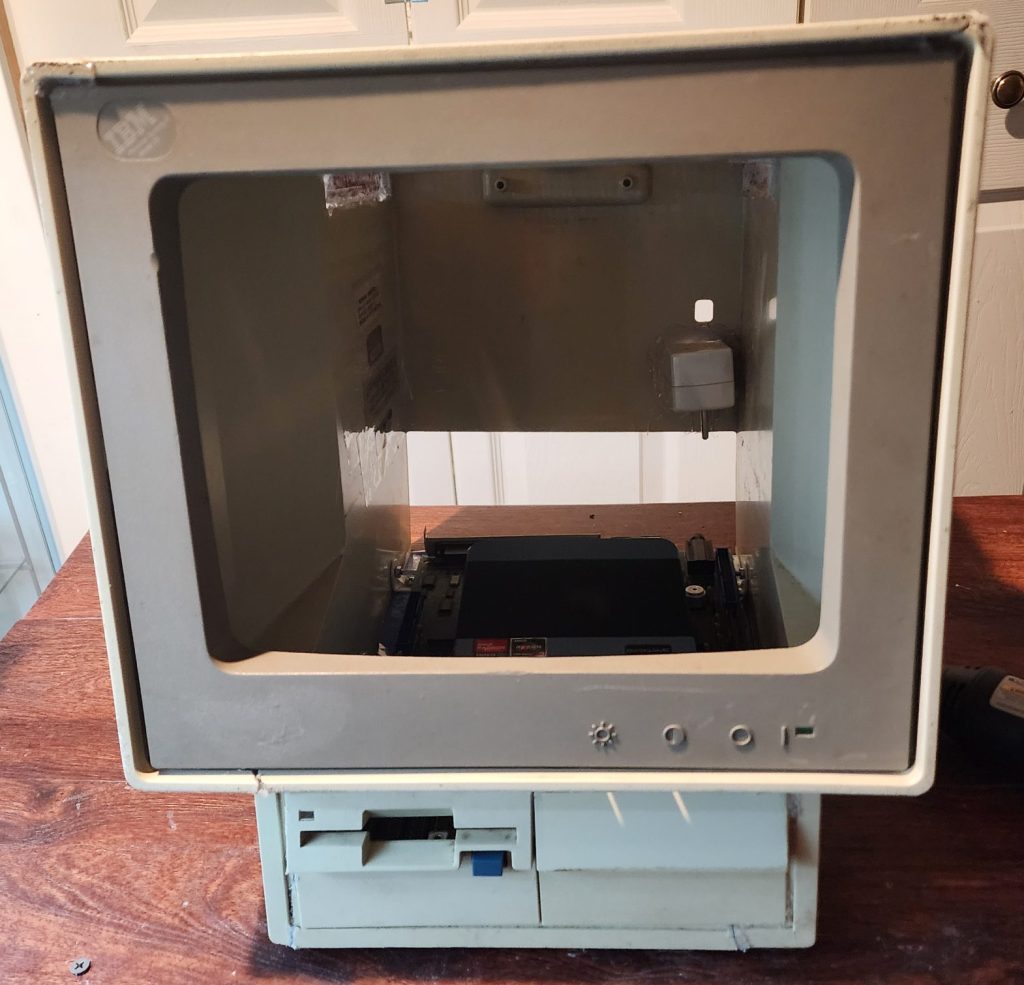
Next, I installed the “brain” of the computer, a BOSGAME AMD Ryzen 3 5300U with 1 TB SSD and 16 GB RAM, which would be strong enough for the retro game emulation I wanted it to be able to do.
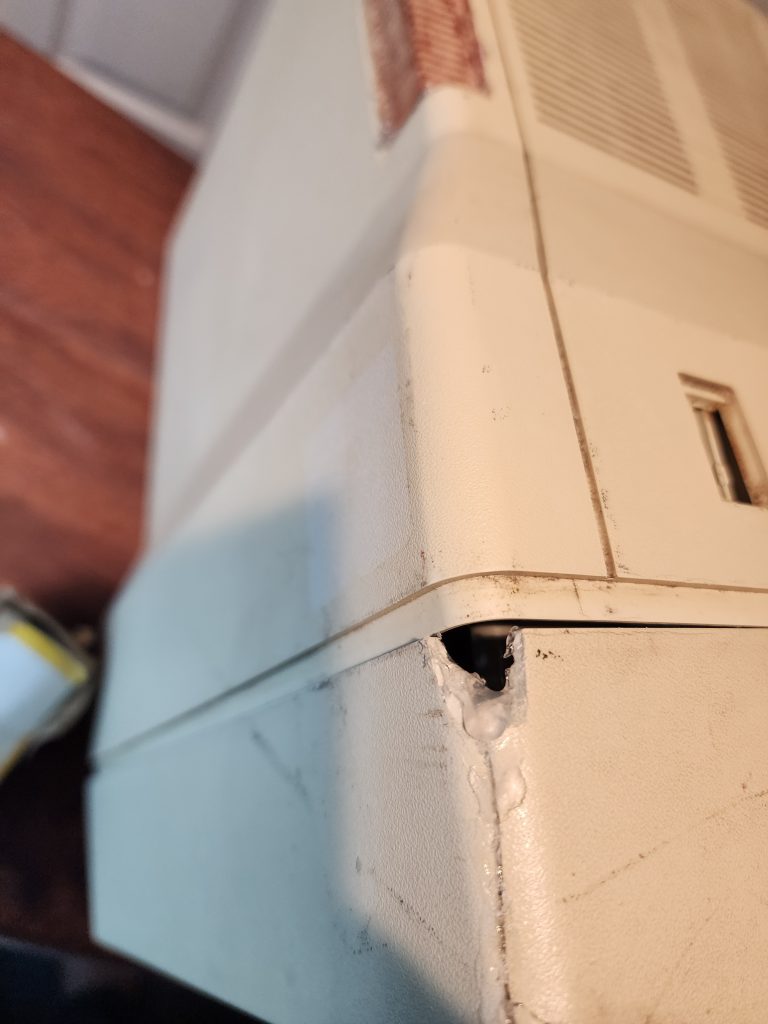
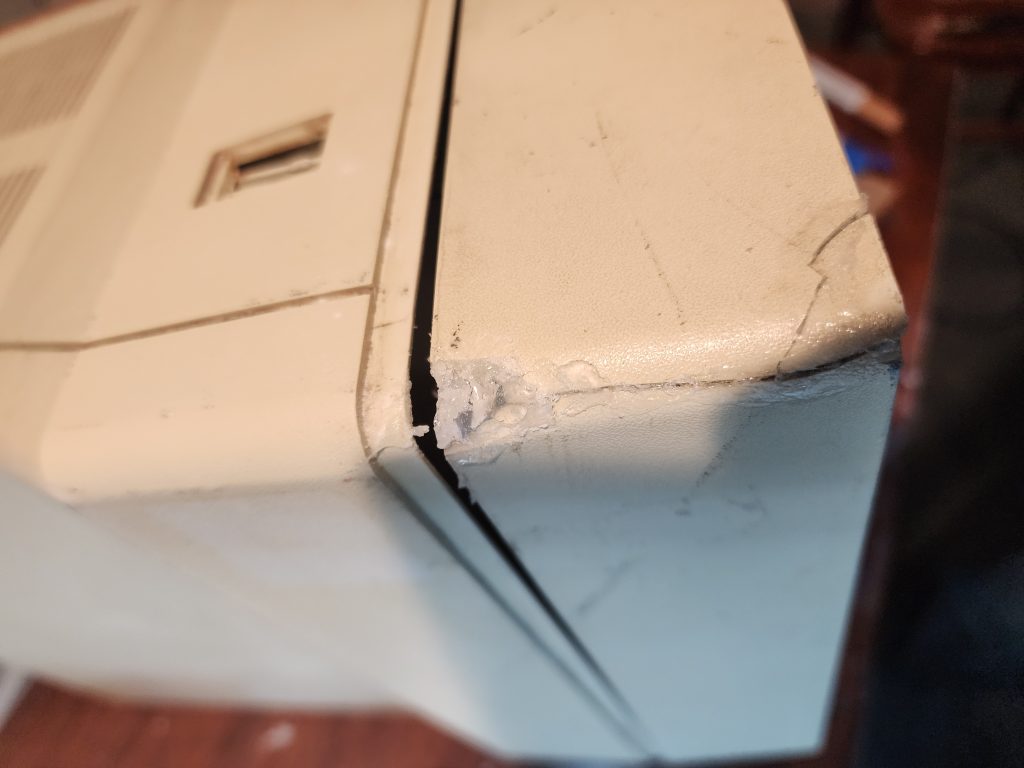
Then to cap the day off, I wanted to fill a really nasty hole in the top of the front bezel – a piece of the plastic had broken off and I couldn’t find it. So I adapted a technique I learned from Tech Tangents and “rebuilt” the piece using Gorilla Glue and baking soda, making a layered paste that I kept building up until the gap had mostly been filled. I then cleaned off some excess hot glue from the front of the case and test fit it to the back to make sure things still held together fine.
DAY 3: THEY CALL ME DOCTOR JANK-ENSTIEN
By this time all the other parts for the build had come in (screen, lighting, speakers, power supply) so it was actually time to start putting the Zombie PC together for real.
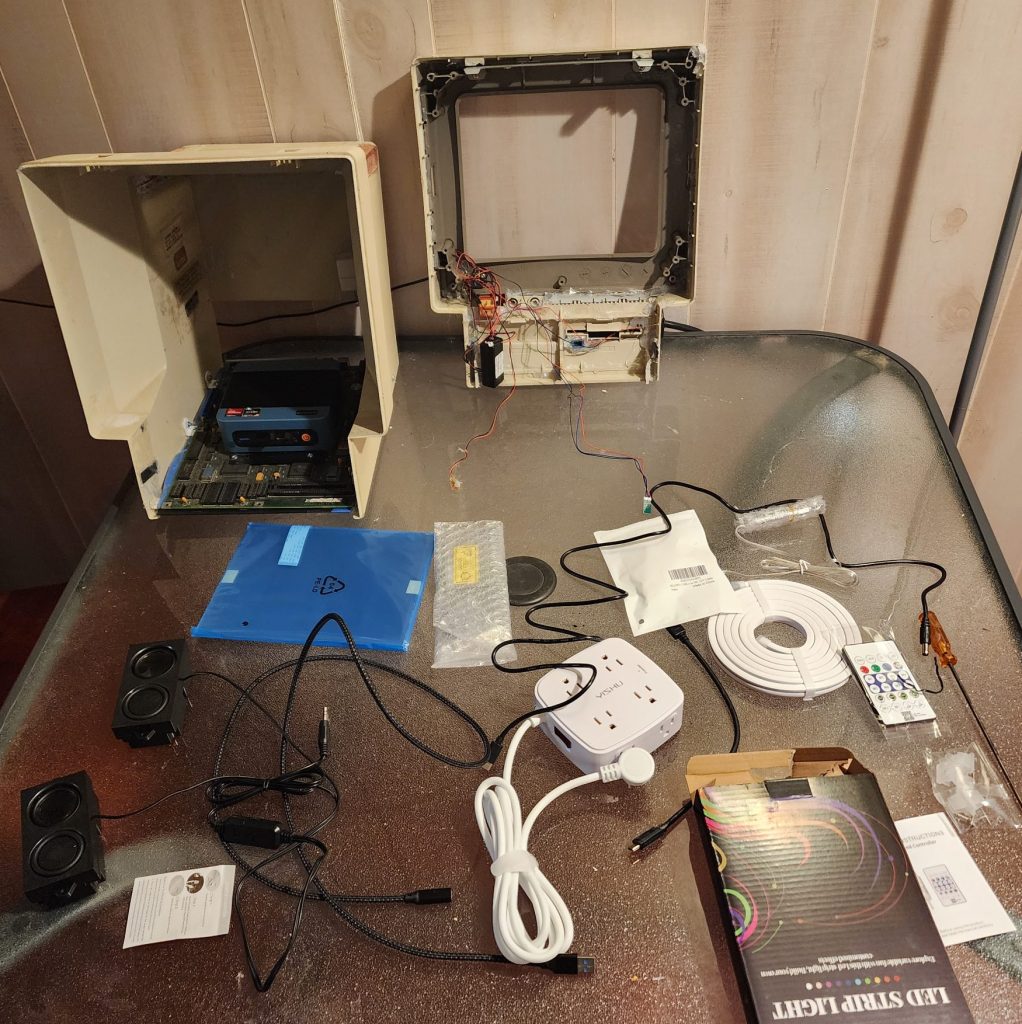
I decided to add in some lights to the FDD and Monitor power area which I had salvaged from a dead book nook project, to help the machine feel more alive (these are already dying hahaha but at the time they looked nice)
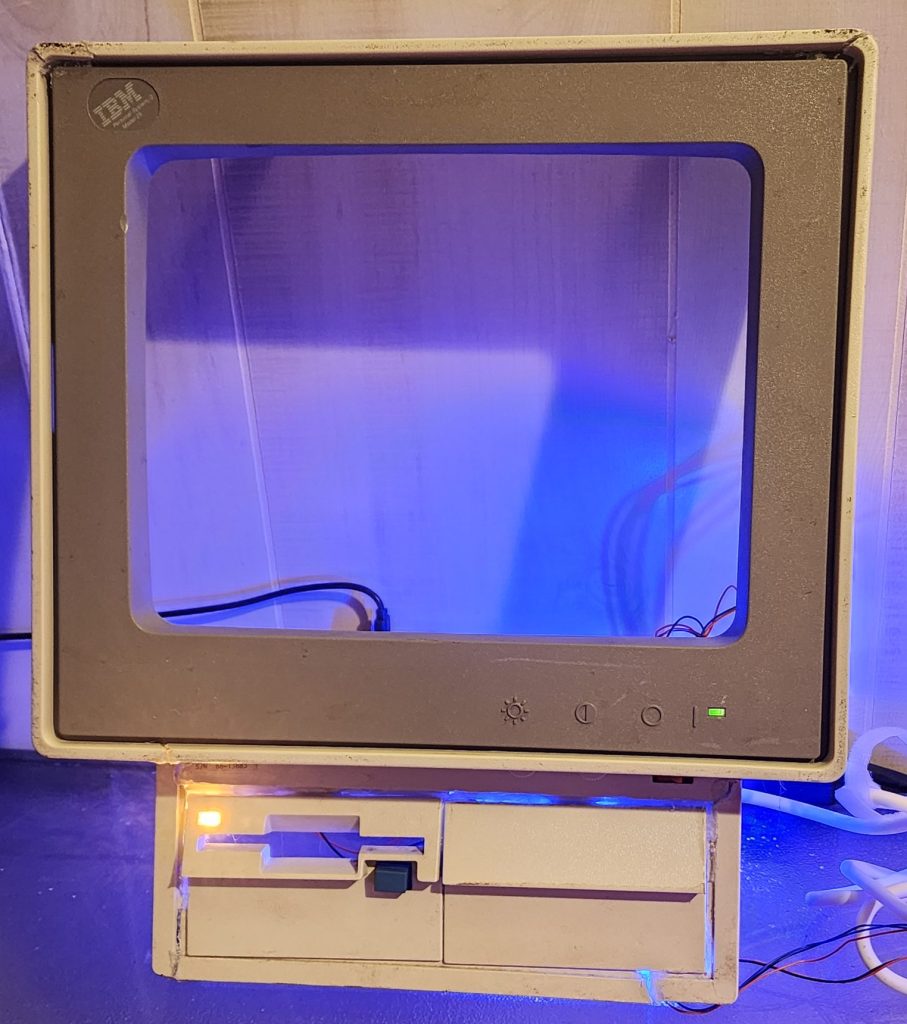
Then, for the screen, I used a refurbished iPad screen because I wanted the high resolution and 4:3 aspect ratio, even if at 9.7 inches it was a little smaller than the viewable space in the frame (even accounting for period correct CRT masking). Happily, one USB-C cable was able to power both the screen and carry signal to it from the PC.
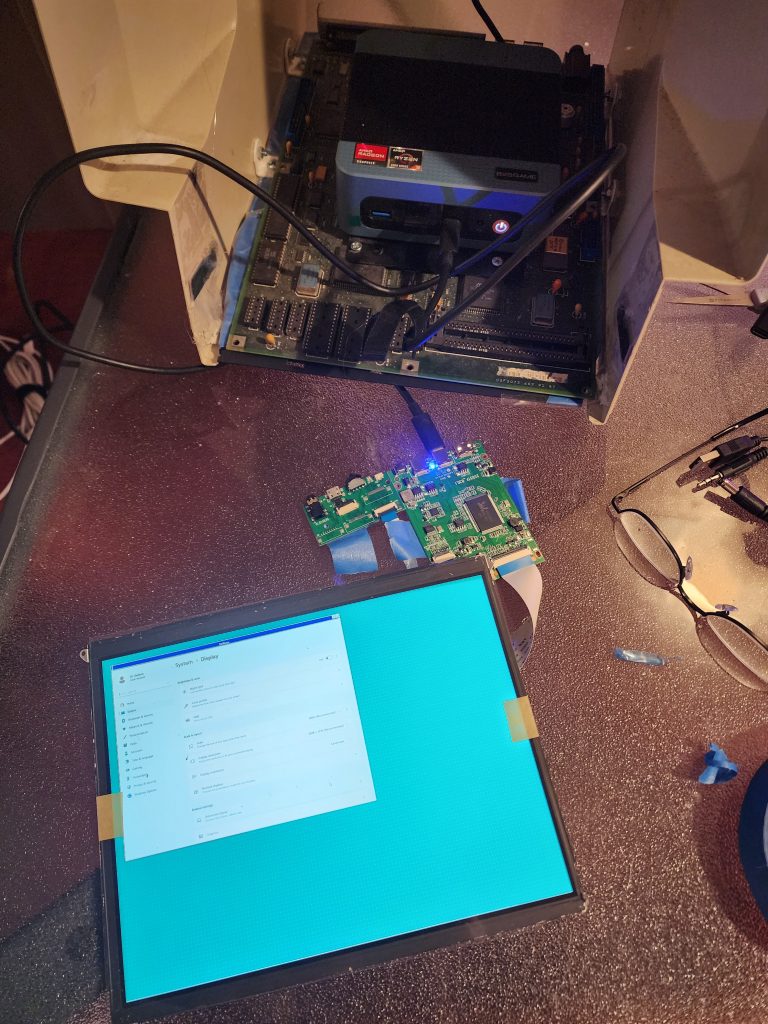
I then created (and this is where the “Dr. Jankenstein” thing comes in) the most jankiest insert for the screen to hold it in the bezel. I’m not even going to try and explain how it works. As I would say in the courtroom, res ipsa loquitur – the thing speaks for itself.
It’s in there solidly and it ain’t moving – job done lol.
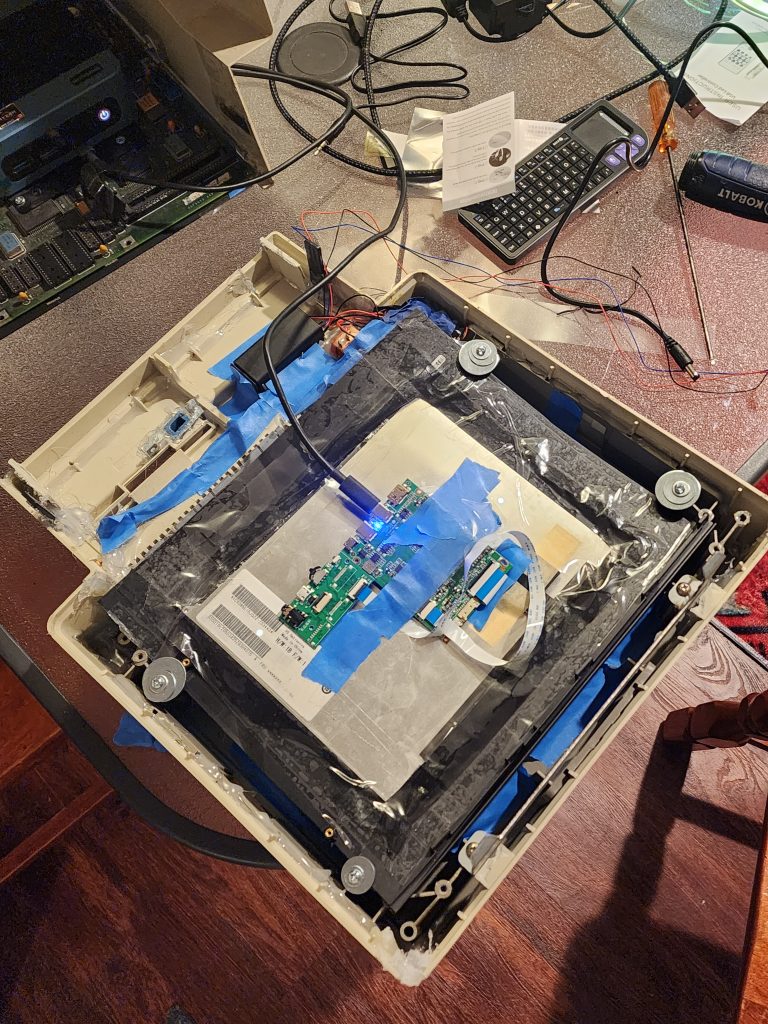
Then I test-fit again to make sure that it would still be able to go onto the back of the case:
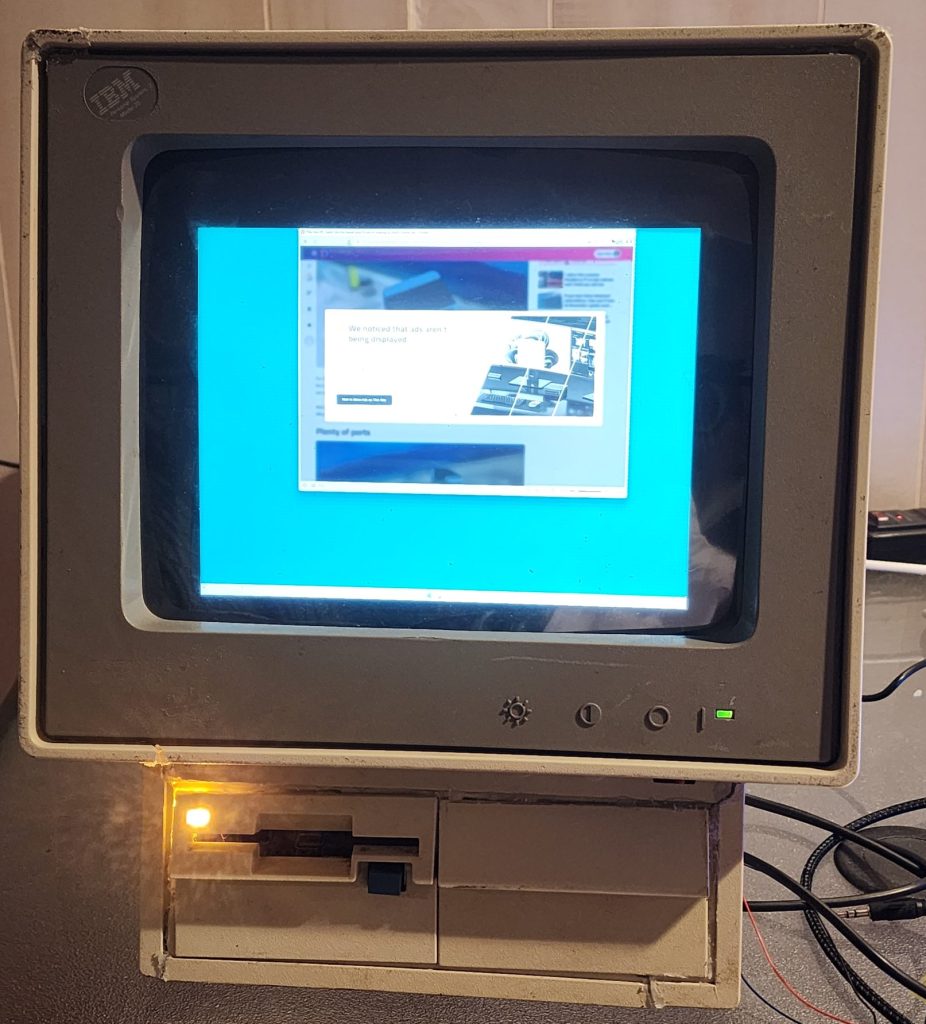
Now the end was in sight.
DAY 4: IT’S ALIVE!
To finish up, I used industrial strength velcro to mount the speakers and power strip to the inside of the case (so I wouldn’t need to make more holes), and did my best to tame the ridiculous jungle of wires within.
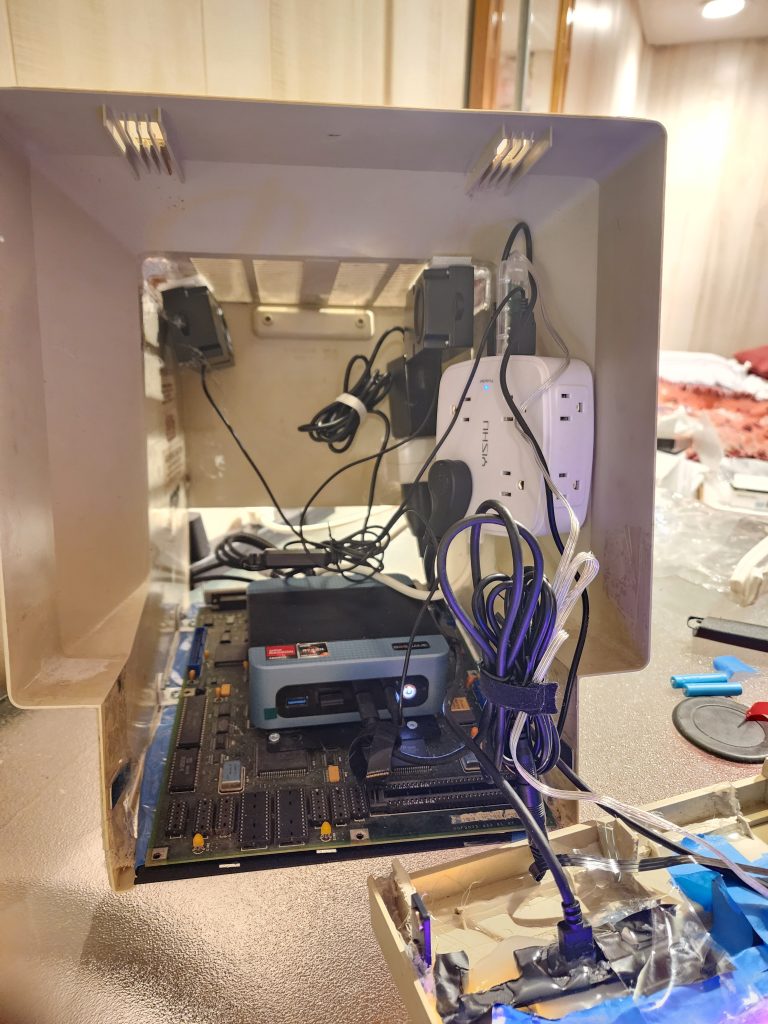
For the final part of the physical build, I ran the power cord out the back, joined the front and back and buttoned up the attachment screws with the original IBM screwhole covers.
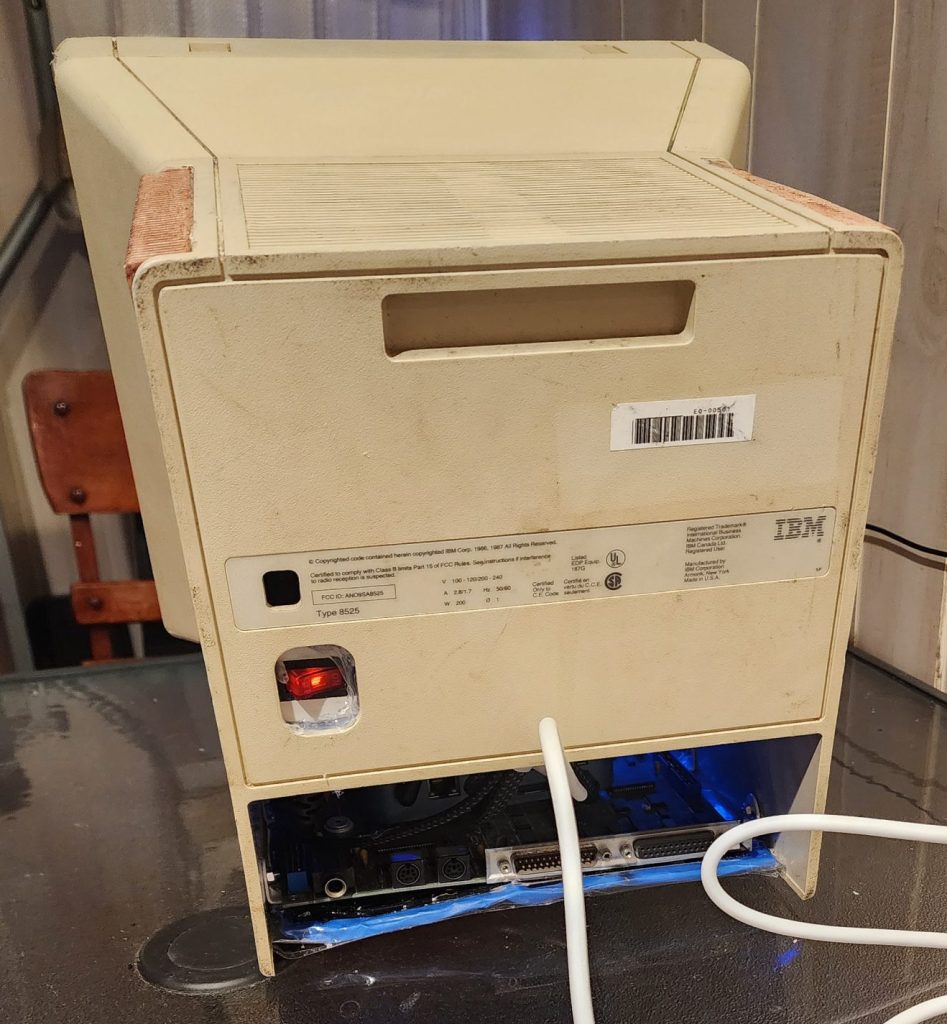
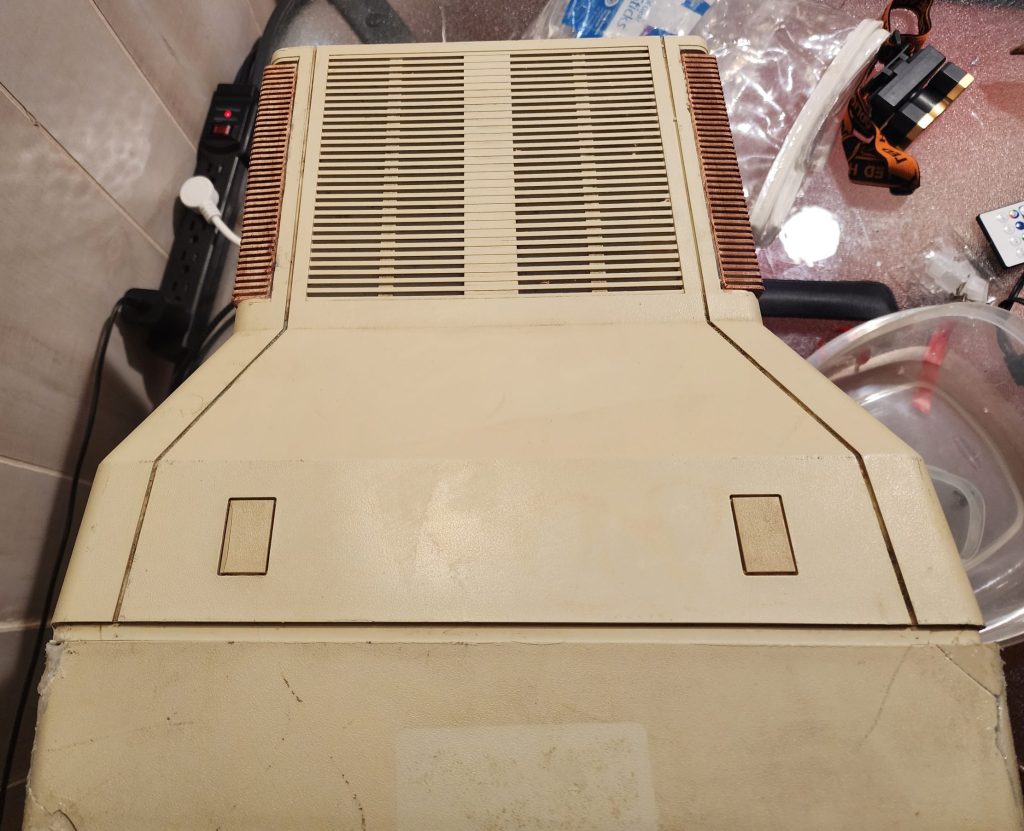
First real audio test:
For software aesthetics I decided to reskin Windows 11 (Linux did not want to play nicely with the external display so that was out) to look like Windows 2000, which was totally an OS I would have pushed on it in the late 90s. I used a combination of Windowblinds, Open-Shell (nee Classic-Shell) and Retrobar to get the job done.
The irony is that back in the day I did everything I could to hyper-customize Windows to not look like the stock installation, and now, in 2026, I find the clean lines of Windows 9x to be comforting. I can understand why some people were crying for the classic look back when Vista and 7 did away with it as an option.
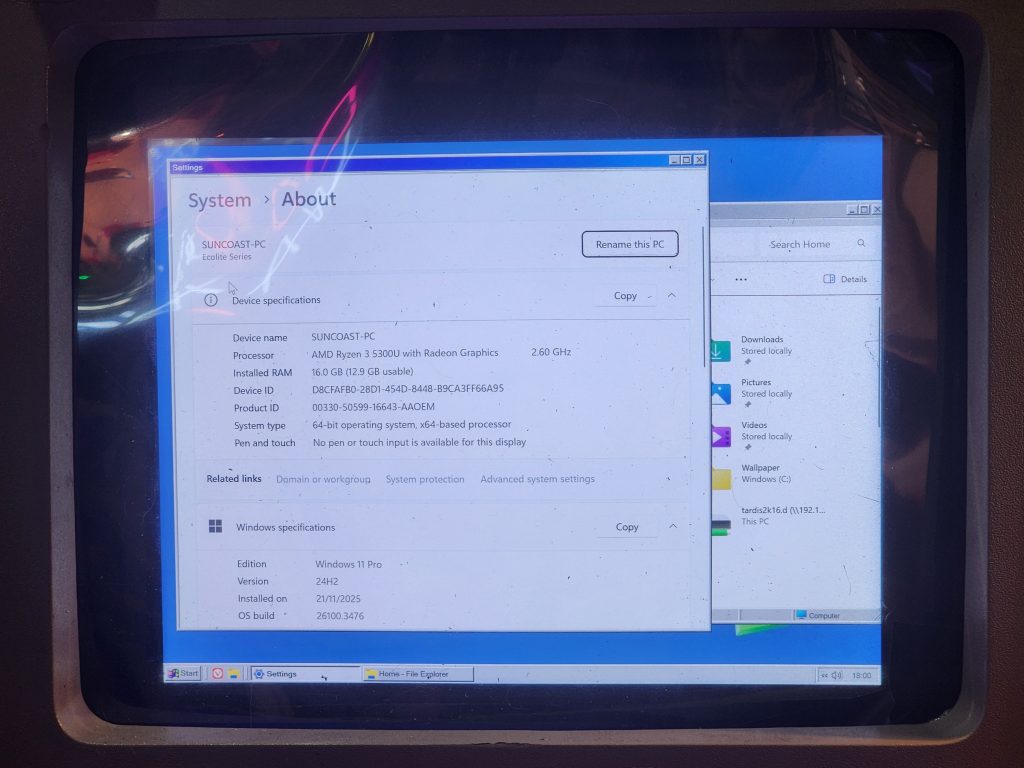
Ironically, through the magic of DOSBOX, if one wanted to be TRULY period correct, you could get Windows 3.1 working, though I want it to be a bit more functional than that.
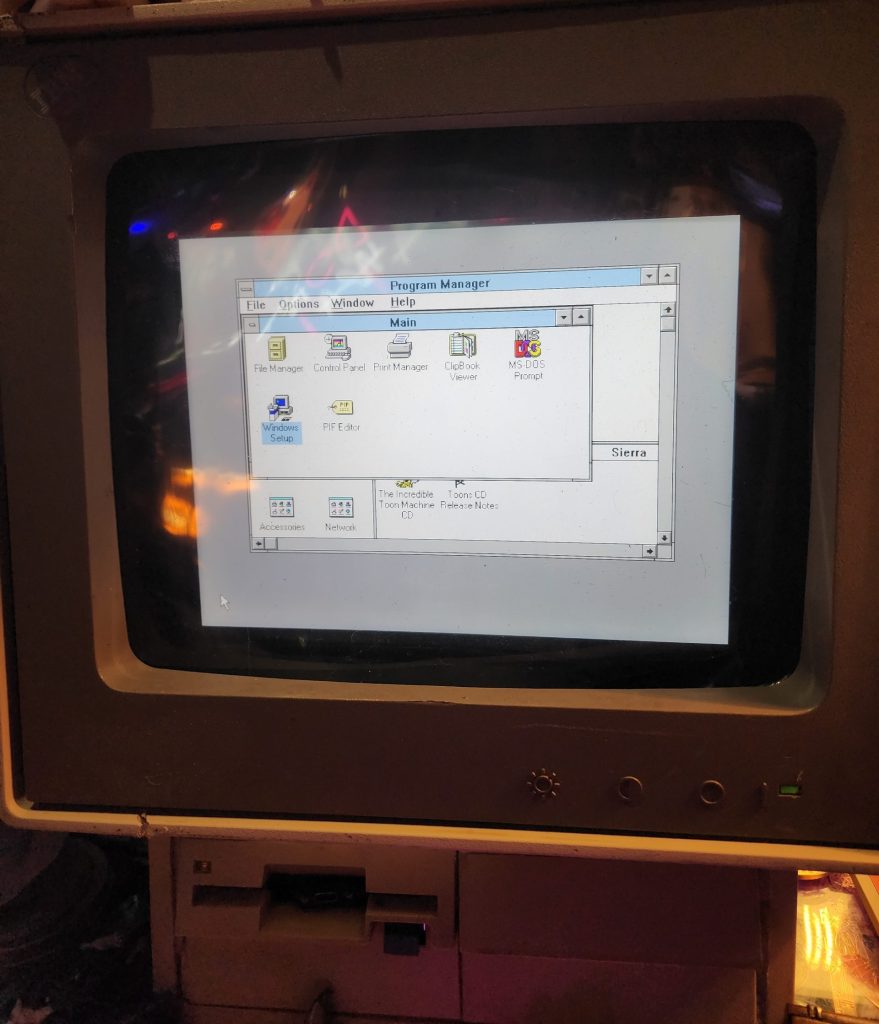
And thus the battered, gutted and rebuilt Ryzen powered PS/2 Zombie lives on my desk as a testament to a better time. This is basically my endgame sleeper build, because no other machine has quite impacted my computing life like this one. I may have started on an Atari 800XL (and I have one still), but this is the one where I REALLY learned about computers and networking and programming and so it has a cherished place in my memory.